

Meet Andrea
Andrea Olson grew up in the Stevens Point area and graduated from SPASH. She later moved to Western New York to earn a degree in Biomedical Photographic Communications and went on to complete an MBA while building a career in market research and manufacturing.
Andrea also pursued advanced study in healthcare, including graduate coursework in Hospital Administration and Nursing. She likes to learn.
In 2014, Andrea returned home to Stevens Point and spent time helping care for her grandmother as she lived with dementia. During that time, she also accidentally started a business — and she’s been running it ever since. A love for vintage clothing turned into a woodworking business. It happened. She rolled with the punches and is having fun. 43,000+ sales on Etsy and clients around the world.
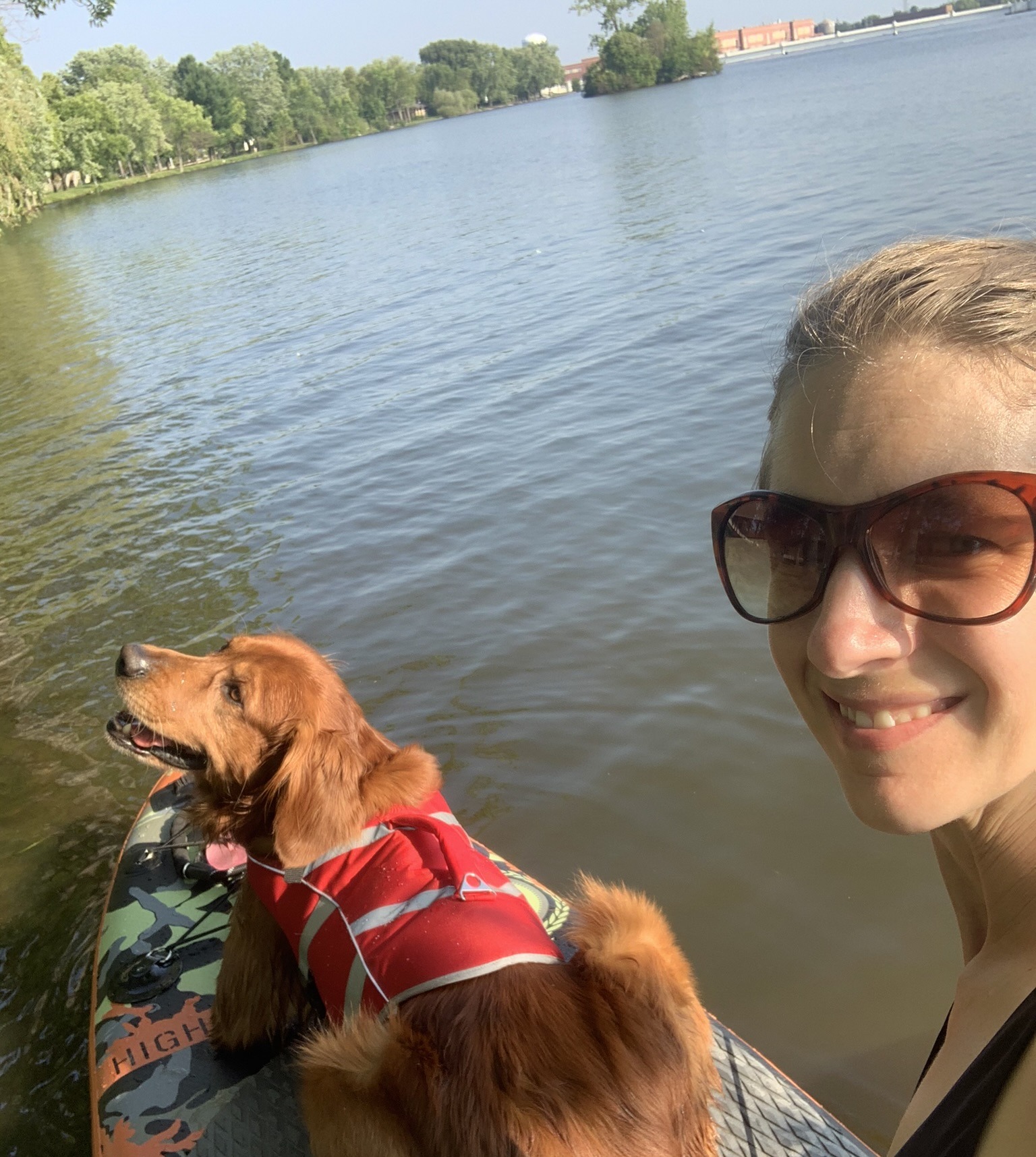
Today, Andrea can’t imagine living anywhere else. She loves this community — a place where she’ll be buried in the backyard some day and people know her dogs’ names (Porter, Moak, and Sasquatch)… and sometimes even hers.
Core Concerns:

IMPROVE GOVERNMENT COMMUNICATION AND TRANSPARENCY:
To improve transparency, I propose shifting from a ‘centralized’ communication model to a ‘Professional Standards’ framework codified by City Ordinance. We’ve seen what happens when information is filtered through a political lens; it creates the kind of gridlock and controversy that UWSP students highlighted in study of the Business 51 project. Their research showed that when public engagement feels symbolic rather than genuine, it leads to delays, local conflict, and millions to tens of millions in cost increases due to delays.
I believe our communication should be defined by expertise and accuracy, not by the personal or political gatekeeping of any single official. My plan includes:
•Empowering Staff Expertise: Our department heads are the subject-matter experts. Following professional ICMA standards, these individuals should be the primary spokespeople for their departments. This removes political ‘filtering’ and ensures the media and public receive direct, unbiased facts.
•Proactive, Not Reactive, Notification: Transparency shouldn’t start 24 hours before a vote. I advocate for a ‘neighborhood-first’ notification system that alerts the public to significant filings at the permit stage. We need to ensure resident voices are heard long before a final decision is made.
•Consistency Over Convenience: I’ve lived here for ten years, and I’ve learned that neighbors just want the straight story. Whether I’m helping a neighbor fix a doorbell or discussing a multi-million dollar road project, or goose poo in the park, honesty is what builds trust.
By making these standards law, we ensure city information remains ‘Open by Default’ for all residents. We deserve a government that answers ‘why’ as clearly as it says ‘what,’ ensuring our planning is shaped by technical design and community values, not by political maneuvers.
A BIT ON HOUSING AND UNHOUSED:
To address homelessness in Stevens Point, we have to look past the visible street populations and support our ‘invisible’ unhoused neighbors. I come from a family of teachers who see this every day in the classroom—families and students who are ‘doubled up’ with relatives or friends because they’ve lost their housing security. When a child doesn’t know where they are sleeping at night, it affects their ability to learn and our community’s future stability.
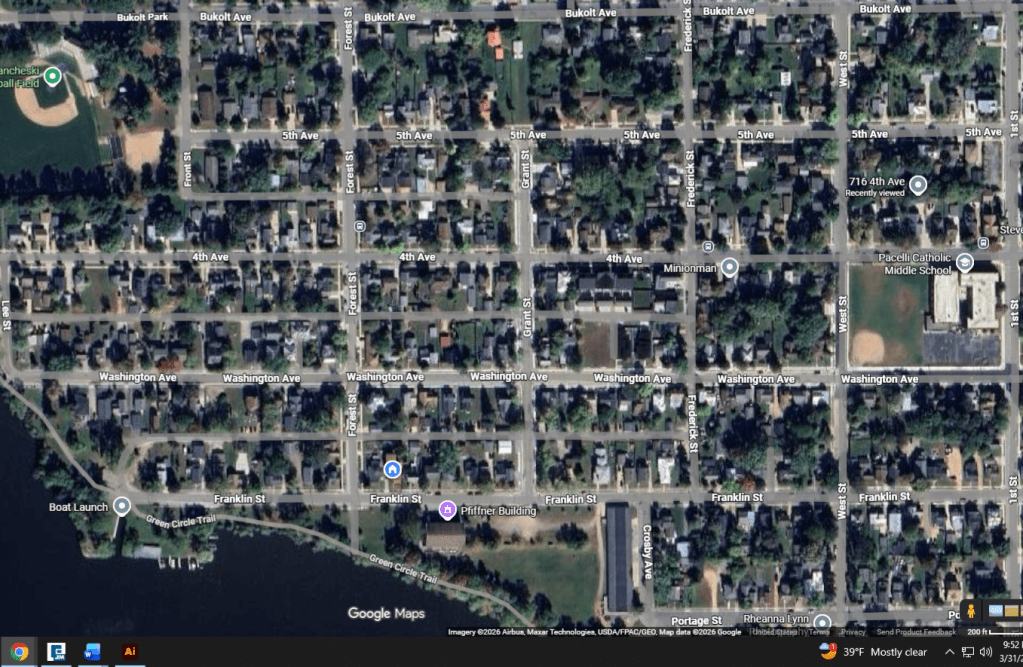
At the same time, as someone who lives right by Pfiffner Park, I know how important it is for our public spaces to feel safe and welcoming for every family. We have to be honest: when anyone—housed or unhoused—experiences a mental health crisis in a public space, it can be unsettling for neighbors. But the solution isn’t just pushing people from one park or street to the next; it’s about a robust, multi-faceted strategy:
•Coordinated Support: We must work with organizations like Partnering Together of Portage County to guide programs toward ‘wrap-around’ care and permanent supportive housing. This turns temporary transitions into stable homes.
•Regional Partnerships: Homelessness doesn’t stop at city limits. I advocate for community-wide partnerships involving neighboring towns and the county. By bringing in outside experts for joint training, we ensure our policies are driven by expertise rather than filtered information.
•Smart Development: We must address our housing shortage by supporting projects that create ‘missing middle’ housing and build generational wealth. We should focus on neighborhood-first growth rather than subsidizing wealthy developers at the citizens’ expense.
Through regional cooperation and specialized crisis response, we can create a sustainable path to housing while ensuring our parks, library and downtown remain safe for all residents.
Contact Andrea
Have questions or ideas? Reach out to discuss priorities for District 4 and Stevens Point.
andreaolsonfordistrict4alder@gmail.com
410 Franklin St, Stevens Point, WI 54481 (715) 544-7875

